

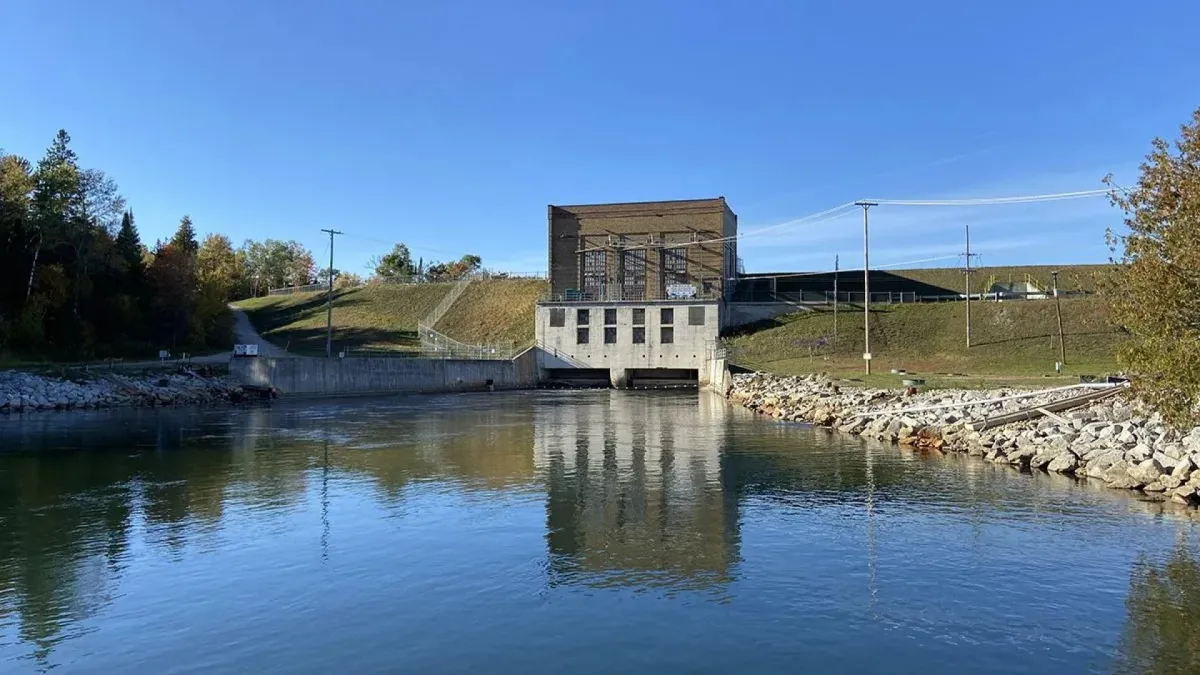
(LANSING, Mich.) - A proposal by Consumers Energy to sell 13 hydropower dams in Michigan to a private equity firm is drawing scrutiny from regulators, environmental groups and consumer advocates.
The utility plans to sell the dams for about $1.2 billion to Confluence Hydro, a subsidiary of Hull Street Energy. Company officials say the sale would be less costly than maintaining or removing the aging structures, which produce relatively small amounts of electricity.
Under the proposal, Consumers Energy would purchase power generated by the dams at approximately $160 per megawatt-hour, with annual increases of 2.5 percent over a 30-year period.
Critics argue the plan could lead to higher costs for customers and raise long-term safety and environmental concerns. Some regulators have questioned whether the company overstated the cost of alternatives, such as decommissioning the dams.
Michigan has experienced problems in the past with privately owned dams that deteriorated due to insufficient maintenance, sometimes resulting in expensive failures and emergency repairs.
Local communities near the dams have expressed support for the sale, citing benefits to recreation, property values and the lakes created by the structures. Environmental organizations, however, say removing dams could restore river health by improving water flow and temperature.
The Michigan Public Service Commission, which must approve the deal, warned the sale could create "stranded assets" if new owners fail to maintain the facilities. Regulators have suggested requiring financial guarantees from the buyer to ensure long-term responsibility.
Other proposed conditions include restrictions on reselling the dams, protections for ratepayers and provisions requiring surrounding land to be returned to the state if it is no longer used for hydropower.
The commission is expected to issue a final decision on the proposal by September.